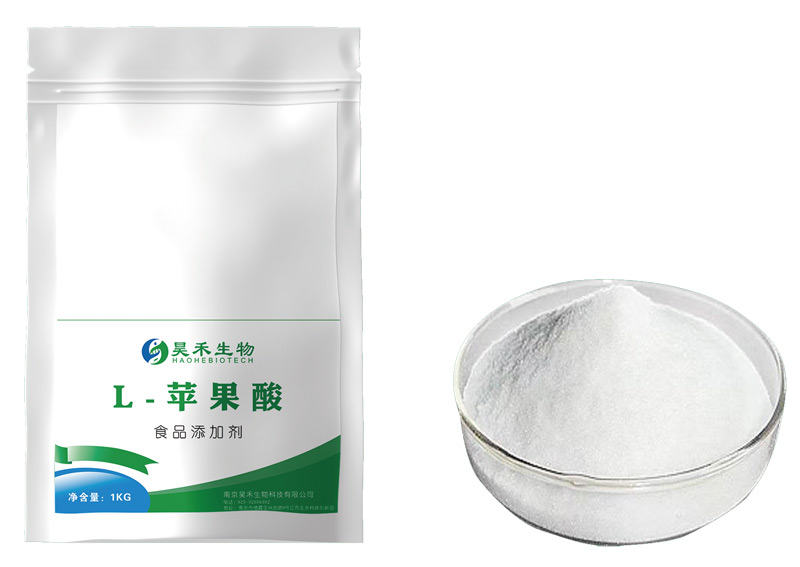
L-(-)-malic acid disodium
Molecular Formula:C4H4Na2O5·H2O (may vary depending on whether crystal water is included)
Molecular Weight:196.07(According to relative atomic masses evaluated in 2011)
Appearance and Form:White crystals or crystalline powder
Application field
1. In Food Industry
Acidity Regulator: Used to regulate the acidity of food and improve taste.Food Flavoring Agent: Enhances the flavor of food and makes food more delicious.Fresh-keeping Agent: Plays a similar role as salt in the processing and preservation of meat products, ham sausage, aquatic products, etc. Moisture Retention Agent: Helps food retain moisture and extend shelf life.Widely used in beverages (such as vinegar drinks, fruit drinks, nectar, iced tea, sports drinks, calcium-fortified juices, etc.), meat products, oral liquids and other foods.
2.Use Effect and Safety
Sodium L-malate is an optical isomer of sodium malate, and has the same physical and chemical properties as sodium DL-malate except for optical activity. However, sodium L-malate has the ability to directly participate in the metabolism of organisms. Thus compared with sodium DL-malate, sodium L-malate is more beneficial to human health.
According to JECFA (United Nations Committee on Food Additives), the ADI (acceptable daily intake) of sodium L-malate is no specified, indicating it is safe under normal use. However, long-term excessive intake or inappropriate use may bring some side effects, such as indigestion, diarrhea, etc. Therefore, when using sodium L-malate, relevant safety standards and regulations should be followed, and excessive intake should be a- previous:Zinc L-malate
Next:Calcium Malate/Calcium 2-hydroxybutanedioate